Our Tariffs
Highland Electricity offers a variety of competitive Electricity Tariffs to our customers.
Highland Electricity offers a variety of competitive Electricity Tariffs to our customers.
A variable tariff means unit rates and standing charges will vary depending on fluctuations in the wholesale energy market. We review prices periodically and in line with the Ofgem Price Cap which changes quarterly on 1st of January, April, July and October.
Although variable tariffs are usually more expensive than fixed ones, they offer a lot more flexibility. You’re not tied to a contract, meaning you’re free to change to a fixed contract at any point, without paying an exit fee.

On a fixed-rate tariff, your unit rate and daily standing charge for electricity will stay at a set price for the term of your contract from date you sign up. This means your energy prices are stable throughout the contract making it easier for you to budget and protects you from fluctuations in the energy market.

On a fixed-rate tariff, your unit rate and daily standing charge for electricity will stay at a set price for the term of your contract from date you sign up. This means your energy prices are stable throughout the contract making it easier for you to budget and protects you from fluctuations in the energy market.

An Economy 7 fixed-rate tariff has two unit rates for electricity: a higher rate for daytime use and a lower rate for electricity used during off-peak hours, usually overnight. Your unit rates and daily standing charge will stay the same for the 12-month term from the date you sign up. This tariff may help you save money if you can shift more of your electricity use to off-peak times, while also giving you the certainty of fixed prices throughout your contract.

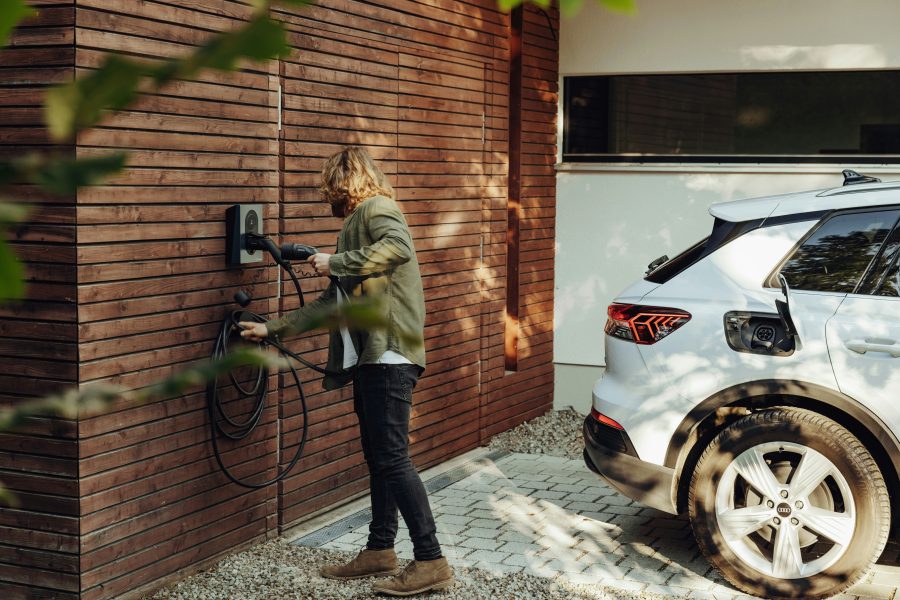
Our EV tariff is designed for electric vehicle owners who charge at home. Using a smart meter, our EV tariff offers lower electricity prices between 12 am and 5 am, helping you charge your car for less when demand on the grid is lower. Switching is simple too. Join Highland Electricity, and we'll manage the switch for you.